
Olga Lawn Mowing Services
Choose Olga Lawn Mowing for reliable, professional service that keeps your yard looking its best all season long. Our experienced team uses top-quality equipment and attention to detail to ensure your lawn is healthy, beautiful, and hassle-free.
Get a Free QuoteOur Olga Landscaping & Yard Care Services
When to Schedule Lawn Mowing in Olga, Florida – Seasonal Guide
In Olga, Florida, timing your lawn mowing is crucial for maintaining a healthy, vibrant yard throughout the year. The region’s subtropical climate means that grass grows most vigorously from late March through October, with peak growth during the humid summer months. However, local factors such as the proximity to the Caloosahatchee River, the shade provided by mature oaks in neighborhoods like River Hall, and the sandy, well-draining soils common in Olga all play a role in determining the best mowing schedule.
Residents should also consider the area’s typical frost dates, which usually occur between late December and early February. Mowing should be reduced or paused during these cooler months to prevent stress on the grass. Additionally, periods of drought or heavy rainfall—both common in Olga—can impact mowing frequency. For more information on local environmental guidelines, visit the Sudbury municipal site.
Local Factors to Consider for Lawn Mowing in Olga
- Tree density and shade coverage, especially in areas like Buckingham Trails
- Soil type and drainage, with sandy soils requiring different care than clay-rich areas
- Seasonal precipitation patterns and risk of drought
- Proximity to water bodies, which can affect humidity and grass growth
- Municipal restrictions or neighborhood association guidelines
- Terrain variations, such as sloped yards or low-lying spots prone to pooling
Benefits of Lawn Mowing in Olga
Professional Lawn Care Expertise
Consistent and Reliable Scheduling
Enhanced Curb Appeal
Time and Effort Savings
Healthier, Greener Lawns
Eco-Friendly Landscaping Practices
Olga Lawn Mowing Types

Standard Lawn Mowing
-
Mulching Mowing
-
Bagging Mowing
-
Striping Mowing
-
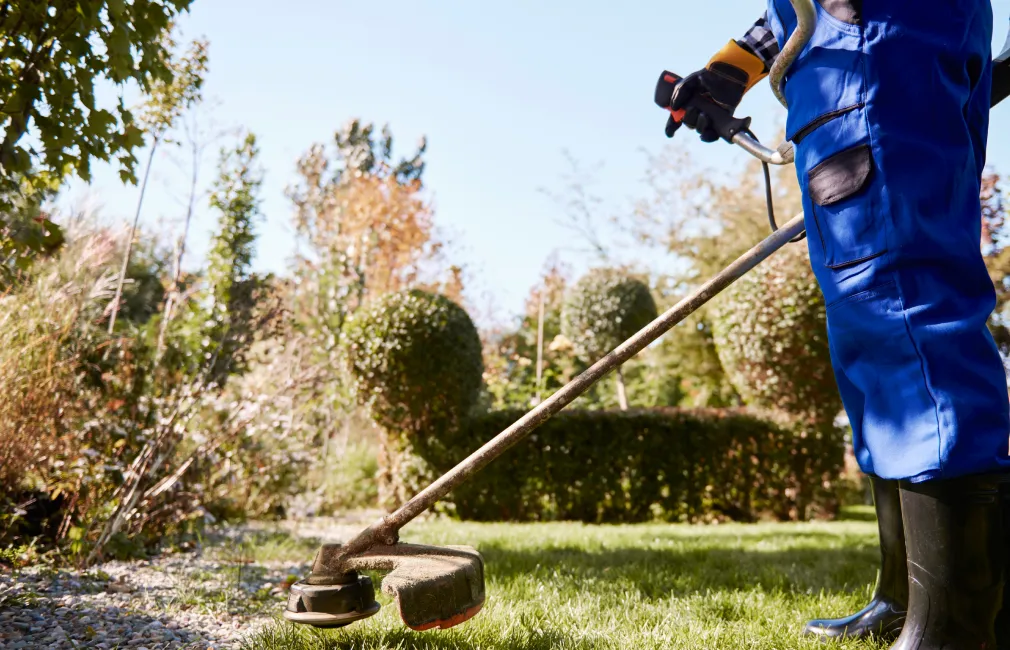
Edging and Trimming
-
Sloped Lawn Mowing
-
Seasonal Clean-Up Mowing
Our Lawn Mowing Process
Site Evaluation
Equipment Preparation
Mowing Execution
Edging and Trimming
Cleanup
Why Choose Olga Landscape Services
-
Olga Homeowners Trust Us
-
Expert Lawn Maintenance
-
Reliable Scheduling
-
Competitive Pricing
-
Professional Team
-
Satisfaction Guarantee
-
Personalized Service
Coordinating Lawn Mowing Services with Lee County Departments in Olga
Olga is an unincorporated community in Lee County, meaning residents coordinate lawn mowing–related concerns through county-level departments rather than a municipal government. Property owners and managers should be aware of several county processes that intersect with routine mowing operations:
- Yard waste and grass clippings generated from mowing must be managed according to Lee County's vegetative debris collection guidelines. Clippings should never be blown or deposited into roadside swales, drainage ditches, or canal banks, as this contributes to nutrient loading and obstructs stormwater flow.
- Right-of-way mowing along county-maintained roads falls under the Lee County Department of Transportation. Property owners mowing adjacent to county rights-of-way should verify the boundary of their maintenance responsibility to avoid conflicts with county operations.
- Swale and drainage maintenance in Olga's low-lying areas requires coordination with county stormwater management. Mowing crews working near drainage infrastructure should keep equipment debris and clippings out of inlet structures.
Residents with questions about vegetative debris pickup schedules or right-of-way boundaries should contact the appropriate county department directly.
Lee County Department of Transportation
P.O. Box 398, Fort Myers, FL 33902
Official Website: Lee County Department of Transportation
Lee County Parks and Recreation
Official Website: Lee County Parks and Recreation
How Olga's Subtropical Climate and Soils Shape Lawn Mowing Demands
Olga sits within USDA Hardiness Zone 10a, placing it firmly in South Florida's subtropical climate band. This environment creates year-round mowing demand with pronounced seasonal variation. Several local conditions directly affect mowing frequency, technique, and scheduling:
- Wet-season growth acceleration: From roughly June through October, Olga receives the bulk of its annual rainfall—often exceeding 50 inches per year. During this period, warm-season turf grasses such as St. Augustinegrass and bahiagrass can require mowing every 5–7 days to prevent excessive blade removal at each cut.
- Sandy, poorly drained soils: Much of Olga's landscape sits on sandy flatwoods soils with a seasonally high water table. After heavy summer rains, saturated ground can make mowing difficult and increases the risk of rutting from heavy equipment.
- Humidity and fungal pressure: Persistent humidity, especially during summer mornings, promotes fungal diseases in turf. Mowing wet grass spreads pathogens and clumps clippings, which can smother turf and trap moisture against the soil surface.
- Heat stress on turf: Afternoon temperatures regularly exceed 90°F from May through September. Mowing during peak heat compounds stress on both turf and operators, making early-morning or late-afternoon scheduling a practical standard.
Understanding these conditions through resources such as the USDA Plant Hardiness Zone Map and the USDA Web Soil Survey helps property owners set realistic mowing expectations for Olga's environment.
Navigating Olga's County Regulations and Stormwater Compliance for Lawn Mowing
Although routine lawn mowing does not require a permit in Lee County, several regulatory frameworks affect how mowing operations are conducted in Olga. Property owners and lawn care operators should be aware of the following compliance considerations:
- Stormwater protection: Under the Florida DEP NPDES Stormwater Program, grass clippings, sediment, and organic debris must not enter stormwater conveyance systems. In Olga, this includes roadside swales, drainage canals connected to the Caloosahatchee River watershed, and retention ponds within subdivisions.
- Code compliance: Lee County enforces property maintenance standards that address overgrown vegetation. Lots with turf exceeding county-defined height thresholds may be subject to code enforcement action. Property owners should verify current requirements with the Lee County Department of Community Development.
- Pesticide and fertilizer context: Any lawn care operator applying pesticides in conjunction with mowing services must hold appropriate licensure through the FDACS Pesticide Applicator Certification program. Fertilizer applications near waterways should follow guidance consistent with Florida Statutes §403.9337 regarding Florida-Friendly fertilizer use on urban landscapes.
- Irrigation coordination: Mowing schedules should account for watering restrictions administered by the South Florida Water Management District. Mowing immediately after irrigation wastes water through compaction and can damage saturated turf. Current watering schedules should be confirmed through Lee County Utilities.
Lee County Department of Community Development
1500 Monroe Street, Fort Myers, FL 33901
Official Website: Lee County Department of Community Development
Timing and Technique Standards for Lawn Mowing in Olga's Heat and Humidity
Professional mowing in Olga requires adherence to turf-specific height standards and seasonal timing adjustments that reflect South Florida's growing conditions. The following guidelines align with UF/IFAS Lawn Maintenance and Care recommendations:
- Mowing height by turf type: St. Augustinegrass, the most common turf in Olga, should be maintained at 3.5–4 inches. Bahiagrass performs well at 3–4 inches. Cutting below these thresholds weakens root systems and increases vulnerability to drought, weeds, and disease.
- One-third rule: Never remove more than one-third of the grass blade in a single mowing. During Olga's wet season, this often means increasing mowing frequency rather than lowering the blade.
- Clipping management: Grass clippings should be left on the turf when possible, as they return nitrogen to the soil and reduce fertilizer dependency. However, clumped clippings from overgrown or wet turf should be dispersed or collected to prevent smothering.
- Blade maintenance: Dull mower blades tear grass rather than cutting it cleanly, creating entry points for fungal infection. In Olga's humid conditions, sharp blades are essential for turf health.
- Scheduling around weather: Mowing should be avoided during or immediately after heavy rainfall. Early-morning mowing, while cooler, may encounter dew-laden turf; mid-morning windows often provide the best balance of temperature and dry conditions.
What Neighborhoods Do We Serve Throughout Olga, FL?
- Olga Shores: Properties along the Caloosahatchee River in this area often feature larger lots with mature St. Augustinegrass and bahiagrass turf requiring frequent wet-season mowing and careful clipping management near the waterfront.
- Buckingham: This adjacent rural-residential community includes spacious lots with mixed turf and open pasture areas where mowing frequency varies significantly between maintained lawns and peripheral acreage.
- River Hall: A master-planned community with HOA-maintained common areas and individual lot mowing standards that typically specify turf height, edging requirements, and clipping disposal expectations.
- Olga Drive Corridor: Residential properties along this corridor sit on low-elevation flatwoods soils with seasonal drainage challenges that affect mowing access and equipment selection during the wet season.
- Caloosa Preserve Area: Homes near preserved wetland and conservation areas require mowing operators to exercise caution around buffer zones, ensuring clippings and debris do not migrate into protected natural areas.